

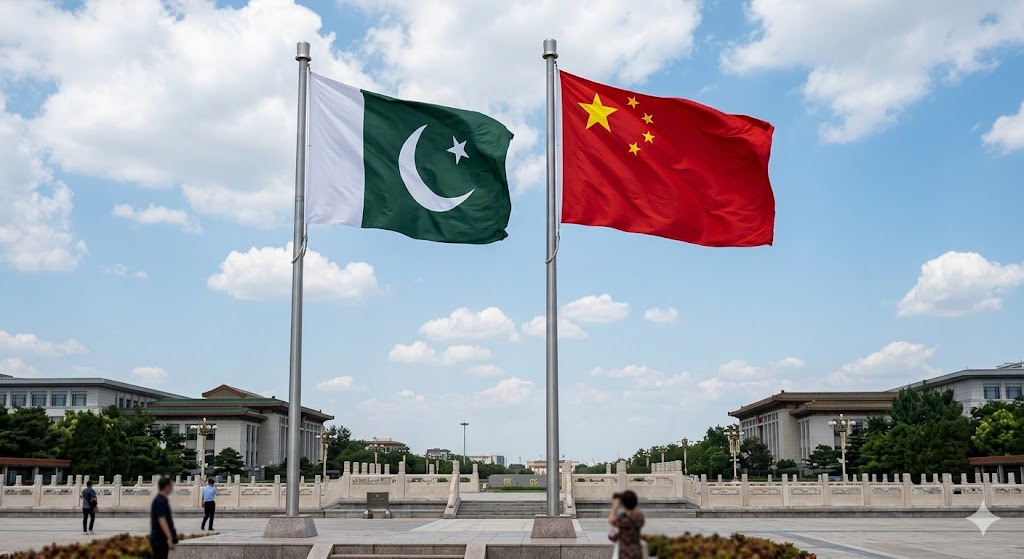
The longstanding partnership between China and Pakistan is expanding its horizons, moving beyond its traditional infrastructure focus to encompass broader economic, technological, and strategic collaborations. Historically centered on the China-Pakistan Economic Corridor (CPEC), this relationship has been marked by significant infrastructure projects such as roads, ports, and power facilities that connect western China with the Arabian Sea through Pakistan.
Since its inception in 2015, CPEC has been instrumental in delivering key infrastructure developments, including power plants, transport networks, and the enhancement of Gwadar Port. These initiatives have played a crucial role in alleviating Pakistan’s energy shortages, boosting regional connectivity, and enhancing China’s access to the Indian Ocean. However, the partnership is now transitioning into a second phase that focuses on fostering long-term economic resilience, industrial growth, and technological progress.
In this new phase, the CPEC framework is placing greater emphasis on elements such as special economic zones, industrial investments, and advancements in digital infrastructure and innovation. Both nations are intensifying their cooperation in cutting-edge areas like 5G technology, fiber-optic networks, satellite collaborations, e-commerce, and information technology. This shift indicates a move from mere physical connectivity toward building sustainable economic and institutional capabilities.
The private sector is increasingly becoming a vital component in the relationship between the two countries. Recent investment conferences have led to numerous agreements and joint ventures between Chinese and Pakistani companies, showcasing the growing business-to-business cooperation. Education and the development of human capital are also becoming pivotal aspects of the partnership, with thousands of Pakistani students acquiring technical skills and professional experiences at Chinese universities, which could influence future bilateral cooperation.
On the diplomatic front, Beijing and Islamabad are coordinating more closely on both regional and global issues, solidifying a strategic partnership that extends well beyond infrastructure endeavors. Despite facing challenges such as security concerns, financial pressures, and implementation obstacles, both nations are committed to cultivating a diversified and resilient long-term relationship.