
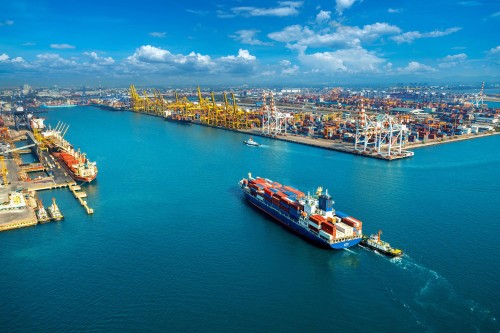
The European Union is currently deliberating potential new restrictions on imports from China, amid mounting concerns over the bloc’s growing reliance on Chinese goods and the subsequent effects on European industries. EU commissioners are convening to assess the implications of increased Chinese imports in numerous sectors, such as manufacturing, agriculture, healthcare, technology, and defense. The influx of more affordable Chinese products is sparking fears among officials that it could undermine domestic industries and lead to industrial decline in certain parts of Europe.
This dialogue takes place in the context of what some policymakers are labeling “China Shock 2.0,” a phenomenon characterized by the swift surge in Chinese exports that include electric vehicles, industrial machinery components, medical equipment, and consumer goods. While no immediate decisions are anticipated, these discussions aim to formulate a cohesive European strategy in preparation for forthcoming talks among EU leaders.
Among the possible measures under consideration are import quotas, tariff-rate quotas, and other trade safeguards intended to shield sectors that are facing intense competition from Chinese imports, which are often heavily subsidized or offered at lower costs. Economic experts are advising the EU to strike a balance between protective actions and ongoing engagement with China, given that China remains a significant trading partner and a crucial market for many European businesses.
Analysts point out that China’s industrial strategy continues to emphasize manufacturing growth and technological advancement, which could increasingly strain trade relations with key export markets. Meanwhile, the EU is seen as a vital market for Chinese exporters, especially in areas like electric vehicles and advanced manufacturing products. Implementing substantial restrictions could provoke retaliatory actions from Beijing, raising the stakes for both parties involved.
The ongoing discussions underscore Europe’s broader efforts to bolster economic resilience while navigating its intricate trade relationship with China. As the EU evaluates its approach, the need to manage this complex partnership without disrupting economic ties remains a significant challenge. The outcome of these deliberations will be critical in determining the future dynamics of trade between Europe and China.