

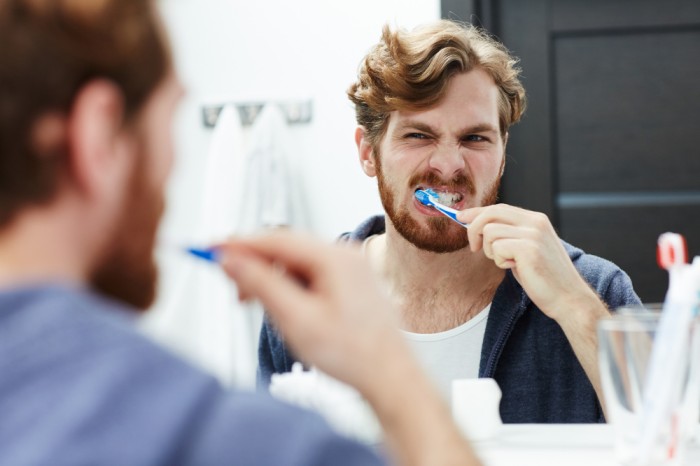
Proper oral hygiene is crucial for maintaining healthy teeth and gums, but how you brush your teeth can significantly impact oral health. Common brushing errors can lead to enamel erosion, gum irritation, and an increased risk of dental issues. Dental professionals emphasize the importance of using the correct technique, selecting an appropriate toothbrush, and ensuring regular dental visits to safeguard your smile. Here, we outline four frequent brushing mistakes and how to avoid them for optimal oral care.
A common error is brushing with aggressive back-and-forth motions. This technique can strain the gums and gradually wear down enamel. Experts advise using gentle, small circular motions to brush your teeth. It’s important not to apply excessive pressure, especially when using an electric toothbrush, as the device is designed to perform the necessary movements without the need for hard scrubbing.
Another mistake involves rinsing your mouth immediately after brushing. This habit can wash away the toothpaste’s beneficial ingredients before they have a chance to strengthen and protect your enamel. Instead of rinsing right away, try simply spitting out the excess toothpaste and allowing the protective components to work effectively on your teeth.
Choosing the right toothbrush is also crucial. A brush with hard bristles can be too abrasive for both teeth and gums. Dental experts often recommend using a soft or extra-soft toothbrush for daily cleaning. Additionally, replacing your toothbrush regularly is essential, as worn-out bristles can become less effective at cleaning and may contribute to plaque accumulation and gum issues.
Finally, neglecting regular dental checkups is a mistake that can undermine daily brushing efforts. While brushing is vital, professional dental cleanings are equally important for overall oral health. Regular dental visits help detect potential problems early and remove buildup that brushing alone might not address. By adopting correct brushing habits and maintaining routine dental care, individuals can support long-term oral health and prevent more significant dental concerns in the future.