

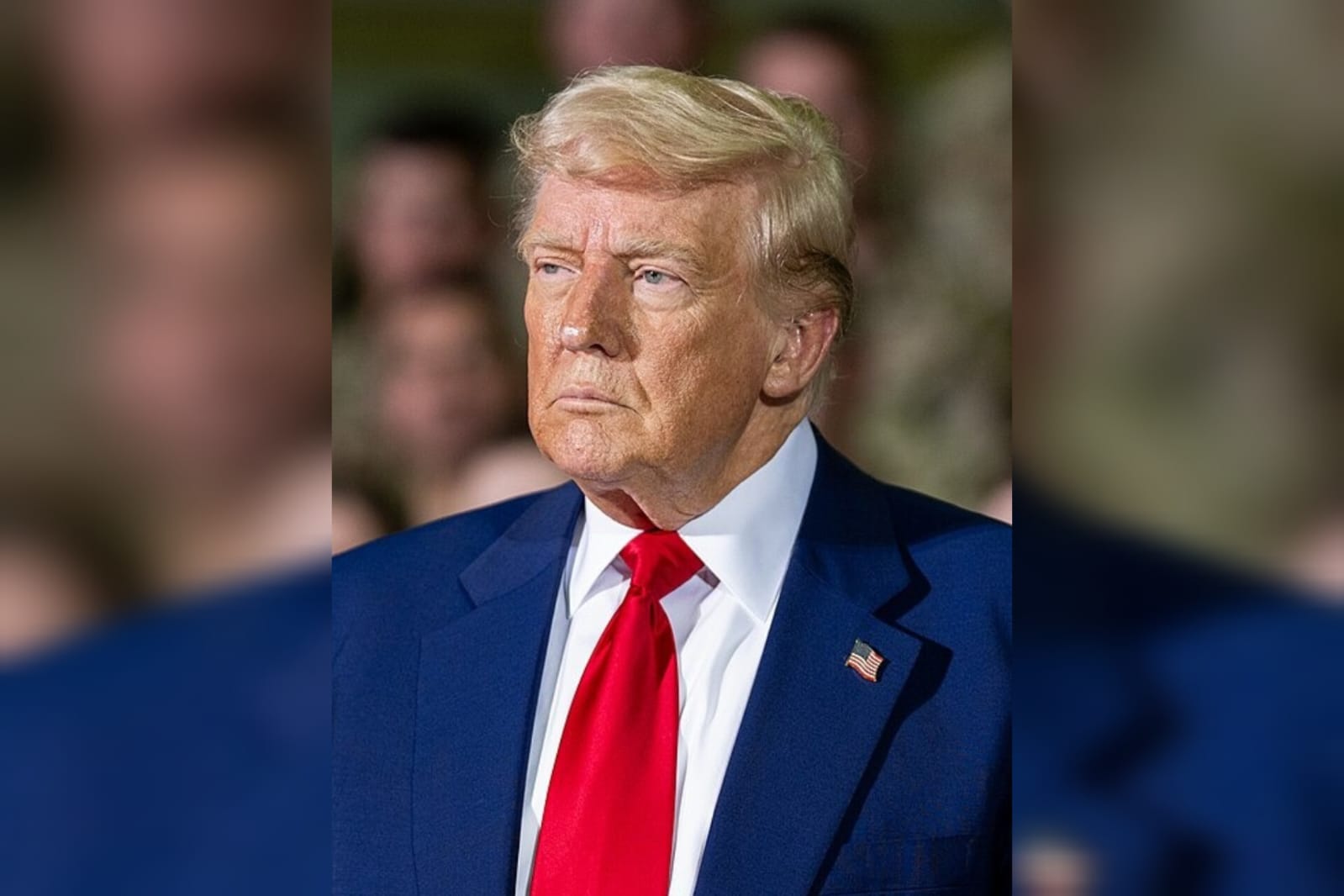
In a significant diplomatic development, U.S. President Donald Trump and Iranian President Masoud Pezeshkian have signed a 14-point agreement aimed at easing tensions and preventing a global economic crisis. Central to the deal is the reopening of the Strait of Hormuz, a critical passage for global oil shipments, which Iran has agreed to under the terms of the agreement. The accord initiates a 60-day negotiation period focused on achieving a comprehensive and lasting resolution, particularly concerning Iran’s nuclear program.
The agreement stipulates that in exchange for Iran’s cooperation in reopening the strait and engaging in nuclear discussions, the United States will alleviate certain sanctions, facilitate Iranian oil exports, and unfreeze billions in Iranian assets. Additionally, the U.S. will support economic initiatives to help rejuvenate Iran’s economy, although it will not provide direct financial aid. Discussions will also address the reduction of Iran’s stockpile of highly enriched uranium under international oversight.
President Trump has championed the agreement as a necessary diplomatic effort to avert a broader conflict that could destabilize global economies. He emphasized that reopening the Strait of Hormuz is crucial for stabilizing energy markets and reducing threats to international shipping. While regional Gulf nations may invest in Iran’s reconstruction, Trump clarified that the United States will not be contributing financially to these efforts.
The deal has elicited varied reactions. Proponents highlight its potential to lower regional tensions, ensure global energy security, and pave the way for extensive future negotiations about Iran’s nuclear ambitions. However, detractors argue that it offers Iran significant economic relief without securing firm commitments on its ballistic missile program or its influence in the region, raising concerns over the potential strategic and financial benefits to Tehran.
Additionally, the agreement includes measures to mitigate regional hostilities, with Iran committing to forgo the pursuit of nuclear weapons and to show restraint through its regional allies. Future negotiations are anticipated to tackle unresolved issues, such as missile development and broader security in the Middle East. While both the U.S. and Iran view the agreement as a substantial milestone, its success hinges on the outcomes of the forthcoming negotiations.