

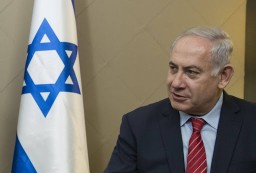
Israeli Prime Minister Benjamin Netanyahu emerged from twenty days of war on Friday to declare Iran’s nuclear program effectively destroyed, asserting that neither uranium enrichment nor ballistic missile production remained functional in Tehran. He rejected the idea that Israel had pushed the United States into the conflict, calling such reports invented. Netanyahu’s message was one of military success and forward momentum, with the prime minister expressing genuine belief that the war’s end was approaching faster than anticipated.
The prime minister spoke about the Trump-Israel alliance with admiration and precision. He described their coordination as historically unparalleled and emphasized that Trump had arrived at his own independent and well-formed understanding of the Iranian nuclear threat. Netanyahu said Trump had actually helped educate him on certain dimensions of the threat, reflecting a genuine meeting of strategic equals.
Netanyahu confirmed that Israel had struck the South Pars gas complex independently and noted Trump’s personal request to pause further strikes on Iranian gas assets. He presented this exchange as evidence of a transparent and trust-filled alliance. Netanyahu made clear throughout that Israel’s military decision-making remained subject to no external override.
Iran’s Hormuz threats drew a sharp rebuttal from Netanyahu, who called them global blackmail that would fail. He proposed pipelines from the Arabian Peninsula to Israeli and Mediterranean ports as a structural alternative. Netanyahu framed this infrastructure proposal as a transformative post-conflict investment in regional energy security.
Netanyahu ended with an analysis of Iran’s internal political chaos. He noted the anticipated new supreme leader had not appeared publicly and said he was genuinely unsure who was governing Iran. These signs of internal confusion, combined with devastating military losses, reinforced Netanyahu’s conviction that the war was nearing its conclusion sooner than the world expected.