

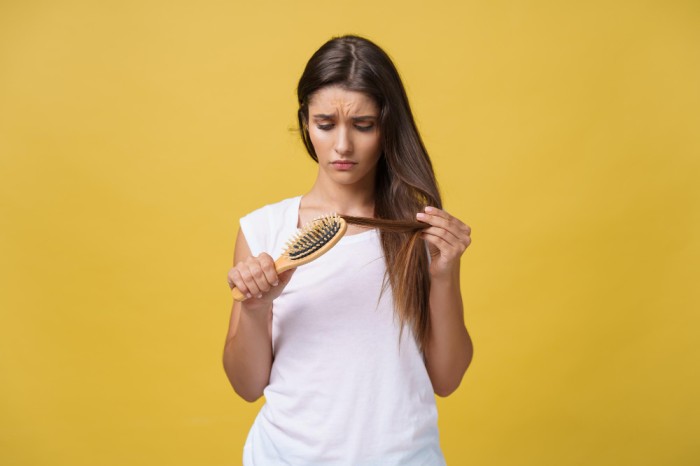
Hair loss is increasingly troubling young adults and working professionals. Though shedding some hair daily is typical, ongoing or noticeable thinning might indicate a deeper health issue. Experts attribute this to two primary causes: stress-related hair fall and hormonal hair loss, each with distinct symptoms, triggers, and treatments.
Stress-related hair loss, known medically as telogen effluvium, often occurs after the body undergoes physical or emotional stress. Common triggers include illness, high fever, surgery, sudden weight loss, sleep disturbances, work stress, or emotional trauma. In this condition, hair follicles enter the resting phase prematurely, leading to widespread shedding across the scalp. Many notice increased hair loss during washing, combing, or on their pillow. This type of hair loss typically begins two to three months after the stressor, complicating pinpointing the exact cause. Fortunately, stress-related hair fall is generally temporary and can improve when the underlying stress is managed.
Conversely, hormonal hair loss develops gradually and often worsens over time. In women, it may be linked to conditions such as polycystic ovary syndrome (PCOS), thyroid disorders, menopause, pregnancy-related hormonal changes, or genetics. Men frequently face androgenetic alopecia, or male-pattern hair loss. Unlike stress-induced shedding, hormonal hair loss follows a noticeable pattern: women may see a widening part or thinning around the crown, while men might experience a receding hairline or thinning near the scalp’s top.
Experts highlight key differences between the two. Stress-related hair fall is characterized by sudden and excessive shedding, uniform loss across the scalp, increased hair fall during grooming, and a recent history of stress or illness. Hormonal hair loss is marked by slow, progressive thinning, reduced hair density over time, a widening hair part or receding hairline, and can be accompanied by symptoms like acne, irregular periods, or weight changes.
Doctors caution against self-diagnosis and reliance on internet remedies, oils, or supplements without proper medical consultation. Various factors, such as vitamin deficiencies, thyroid imbalance, and hormonal disorders, can contribute to hair loss. Health professionals advise early diagnosis through scalp examination, medical history review, and necessary blood tests. While stress-related hair fall can improve with lifestyle adjustments, stress management, nutrition, and care, hormonal hair loss often requires long-term medical treatment and monitoring. Specialists stress that understanding the root cause early can help maintain hair health and enhance treatment results.