

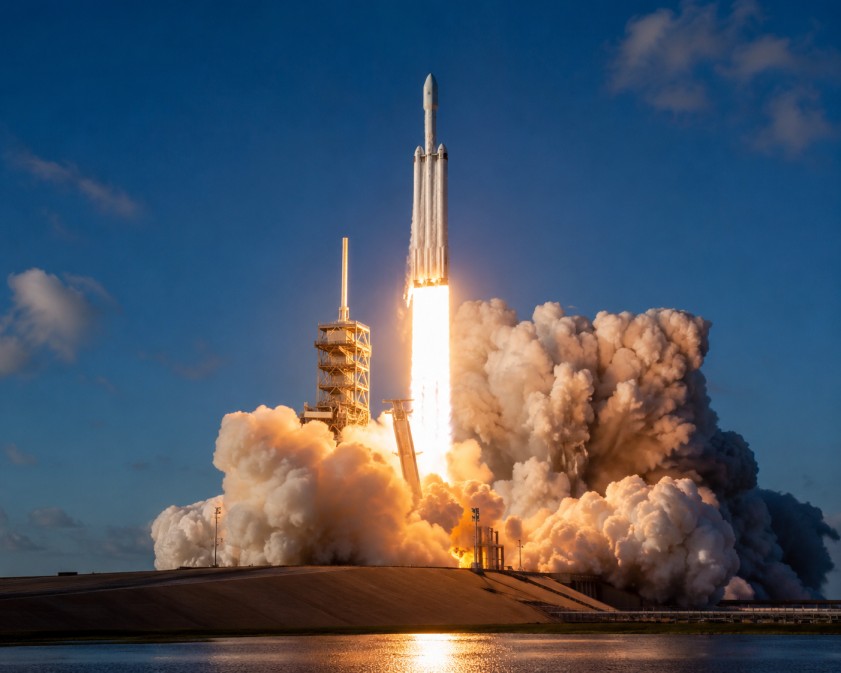
China has launched the Shenzhou-23 mission, successfully sending three astronauts to the Tiangong space station. This mission marks a significant step in China’s ambitious plan to send humans to the moon by 2030. The astronauts, Lai Ka-ying, Zhu Yangzhu, and Zhang Zhiyuan, were carried aloft by the Long March 2-F rocket, which lifted off from the Jiuquan Satellite Launch Center. Notably, this mission is historic as it includes the first astronaut from Hong Kong to travel into space.
During their time in space, the crew will engage in various scientific research projects focusing on life sciences, medicine, fluid physics, and materials science. One of the astronauts will stay in orbit for an entire year, making this China’s longest manned space mission. This extended period is intended to investigate the long-term effects of microgravity on human health, including issues such as bone density loss, muscle weakening, radiation exposure, and psychological stress. These findings are crucial for China’s future lunar and deep-space exploration endeavors.
The Tiangong space station has previously hosted astronauts for six-month missions, but this current mission represents a significant advancement towards prolonged space travel. As part of its broader space ambitions, China is preparing the Mengzhou spacecraft, which will eventually replace the current Shenzhou system. This new spacecraft will play a key role in supporting China’s upcoming lunar exploration missions.
China’s goal is to establish the initial phase of its International Lunar Research Station by 2035. The country has already demonstrated its expanding capabilities in space exploration with significant achievements, such as landing a rover on Mars and deploying a probe on the moon’s far side. Over the past three decades, China has rapidly increased its investment in space technology, positioning itself as a formidable competitor in the global arena of space exploration.