

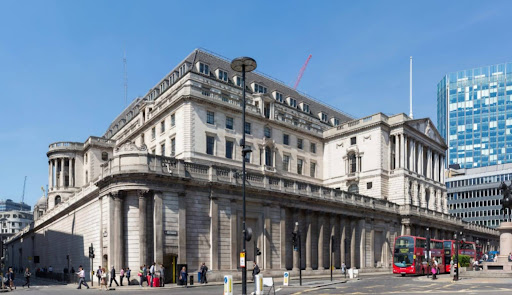
The Bank of England has put the UK on notice of a potentially significant inflation threat stemming from the ongoing war in the Middle East, holding interest rates at 3.75% while warning that borrowing costs may need to increase before the year is out. The monetary policy committee voted unanimously to hold, but its language was unambiguously more hawkish than recent communications, reflecting the changed economic environment created by the US-Israel conflict against Iran. Officials warned that energy prices driven up by the war could push UK inflation above 3%.
Before the war broke out, the Bank had been making steady progress on inflation and had appeared to be on a path toward lower rates. The conflict has disrupted that trajectory by sending global oil and gas prices sharply higher, threatening to undo the disinflationary progress of recent months. The Bank now expects inflation to rise to approximately 3.5% in March and remain above its 2% target throughout 2026.
Governor Andrew Bailey said the Bank was closely watching the energy market consequences of the conflict. He acknowledged the early impact on petrol prices and warned of higher energy bills for households if supply routes remain disrupted. His comments reflected genuine concern about the inflation outlook while maintaining the Bank’s characteristic caution about signalling specific future actions.
The market reaction was decisive. UK gilt yields climbed, the FTSE 100 fell, and the pound gained against the dollar as traders moved to price in rate hikes in June and later in the year. Analysts noted that five-year fixed mortgage rates had already risen to their highest levels since early 2025, adding to the financial pressure on UK homeowners.
Labour market data released the same day showed slowing wage growth and rising unemployment, conditions that would ordinarily justify rate cuts. But with an external inflation shock threatening, the Bank appears to be prioritising its price stability mandate. The committee’s next meeting will be a critical test of whether the hawkish signals of Thursday translate into actual policy action.