

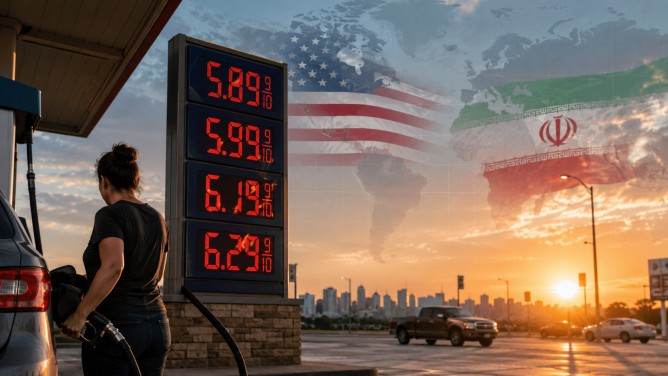
Gasoline prices in the United States have surged to record levels for August, driven by stalled diplomatic talks between the U.S. and Iran, alongside escalating tensions in the Strait of Hormuz, a crucial artery for global oil transport. The national average price for a gallon of gasoline has hit $4.06, marking an increase of about 5 cents from the previous week and nearly $1 more than this time last year. In states like California and Hawaii, prices soar even higher, averaging approximately $5.50 per gallon.
The conflict between the U.S. and Israel with Iran, particularly impacting the Strait of Hormuz, has kept oil prices elevated. At one point, Brent crude oil prices soared to $112 per barrel before experiencing a decline, yet they remain substantially above the levels seen a year ago. Although there was a momentary dip in gasoline prices due to temporary agreements that eased U.S.-Iran tensions, the stalling of negotiations has led to a resumption in price increases as fears of a prolonged conflict grow.
The latest uptick in fuel costs follows the unsuccessful attempt to secure a deal on Iran’s nuclear program within a 60-day diplomatic period. Additionally, President Trump has issued new threats against Oman, further heightening regional uncertainty and the possibility of conflict escalation.
American households are feeling the financial strain as elevated gasoline prices compound the challenges of already high living expenses. Over the past six months, consumers in the U.S. have spent significantly more on fuel, with expenditures reaching tens of billions of dollars above what they would have been without the ongoing conflict.
Should energy costs remain persistently high, the continuous rise in gasoline prices could potentially trigger renewed inflationary pressures, posing further economic challenges if the situation does not stabilize in the near future.