

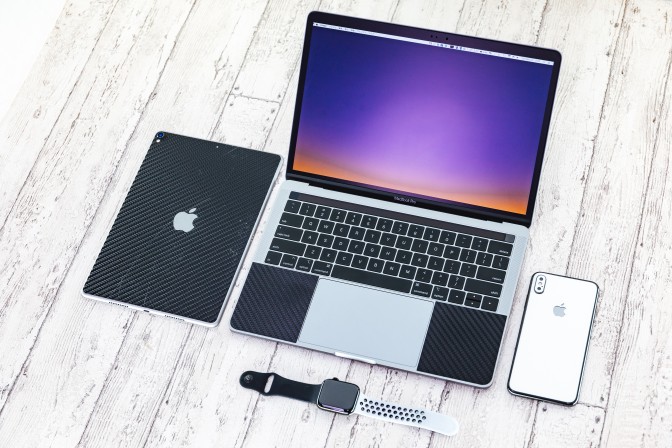
Apple has announced a price increase for several of its iPad and MacBook models. This move comes as the company faces higher costs for memory and storage chips, driven by the surging demand for artificial intelligence infrastructure. Apple explained that it has been absorbing these rising component costs for a while but now finds it necessary to pass some of these expenses onto consumers.
The price adjustments impact a range of Apple products, including various MacBook models, iPads, HomePod speakers, and Apple TV devices. Among these, certain MacBook configurations have experienced substantial price hikes, particularly those with larger storage capacities, attributing to the escalating memory costs. This trend reflects the broader industry changes as chip manufacturers are now prioritizing supplies for AI data centers and advanced computing systems, which in turn limits the availability of memory components for consumer electronics and drives up production costs for tech companies.
Despite these challenges, Apple’s robust supplier network has mitigated some of the impacts, offering a competitive edge compared to other companies facing similar pressures. However, industry analysts predict continued pressure on device pricing. There is speculation that future iPhone models could also see price increases as a result of the ongoing adjustments to component cost hikes.
The ripple effect of rising memory chip costs is expected to influence the wider technology market significantly. With smartphone and PC manufacturers grappling with increased production expenses, the market could face a dip in consumer demand. This situation underscores the interconnectedness of the technology sector and the potential for broader economic impacts as companies navigate these component shortages and price adjustments.