
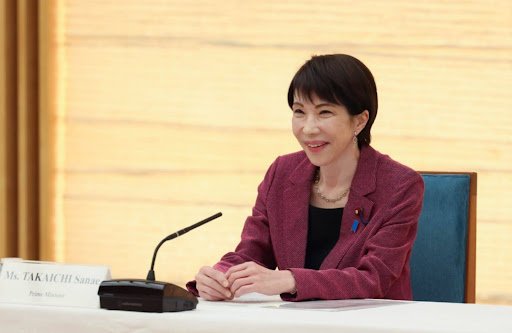
Japan’s government is fighting a battle on two fronts: managing a genuine energy supply crisis through the biggest-ever release of national oil reserves, and battling social media-fueled irrational purchasing that threatens to create artificial shortages of everyday goods. Prime Minister Sanae Takaichi confirmed the deployment of approximately 80 million barrels to domestic refiners from Thursday, even as the trade and industry ministry urged consumers to make “rational decisions about toilet paper purchases based on accurate information.” The dual challenge of supply management and public psychology characterizes Japan’s response to the current crisis.
The ministry’s intervention on toilet paper was prompted by viral social media posts warning of shortages linked to the oil supply disruption. Industry representatives confirmed that approximately 97% of Japan’s toilet paper is produced domestically from recycled materials, with no dependence on Middle Eastern oil imports. Memories of the 1973 oil shock and Covid-19 pandemic panic buying gave these warnings immediate credibility with some consumers, making official reassurances all the more urgent.
Japan’s actual energy situation is serious enough without the added complication of panic buying. The country sources over 90% of its crude oil from the Middle East, and the US-Israel conflict with Iran has disrupted the Strait of Hormuz, the critical chokepoint for these deliveries. The 80 million barrel reserve release — 45 days of national consumption, 1.8 times the previous record — is the government’s primary response to this genuine supply threat.
Gasoline subsidies have been introduced to hold prices at approximately ¥170 per litre following a climb to a record ¥190.8. These will be reviewed weekly, with adjustments based on oil market conditions. The government is committed to preventing fuel price shocks from becoming a broader consumer price crisis.
Prime Minister Takaichi has anchored Japan’s international response in constitutional pacifism and diplomatic engagement, refusing Trump’s naval deployment request while pledging active multilateral diplomacy. Her steady leadership through a crisis that combines real energy disruption, social media anxiety, and complex international diplomacy has been generally well-received. Japan’s ability to manage all three dimensions simultaneously will determine how well it weathers this storm.