

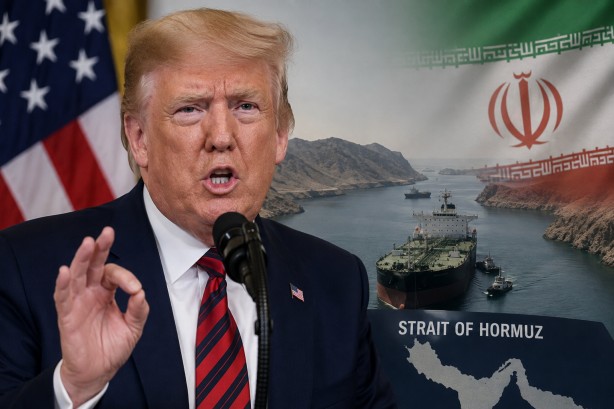
Iran has issued a stern warning to Gulf states, indicating that any new military action by the United States on Iranian soil would provoke a retaliatory strike targeting key energy infrastructures across the Gulf region. This warning, reportedly discussed during talks held by Iranian Foreign Minister Abbas Araqchi with high-ranking officials from Saudi Arabia, Qatar, Turkey, and Pakistan, underscores the potential for heightened regional tensions. Araqchi urged these countries to influence Washington to refrain from further military engagements, emphasizing that any attack on Iran would result in counterstrikes on U.S. interests and vital energy facilities in the area.
This development comes in the wake of U.S. President Donald Trump’s recent threat to target Iran’s energy infrastructure. While Iran maintains that diplomacy is the preferred route, it has made clear its readiness to retaliate if provoked. The discussions with Gulf states highlight Iran’s strategic focus on safeguarding its interests while expressing its preparedness to disrupt critical energy supplies in the region if necessary.
Amid these mounting tensions, Saudi Arabia has reportedly advised the United States to pursue negotiations over military escalation. Riyadh has also expressed its intent to defend its territory against any potential aggression. The situation has raised alarms over the possibility of renewed hostilities that could jeopardize the stability of Gulf energy supplies and escalate regional instability.
Iran’s warning specifically mentions potential targets such as oil facilities, refineries, power grids, water infrastructure, transport networks, and oil fields should another U.S. strike occur. This stance highlights the broader implications for global energy markets, as regional leaders continue to advocate for diplomatic solutions to avoid a conflict that could have far-reaching economic and security consequences.
Efforts to prevent a wider conflict remain a priority for regional leaders, who are keenly aware of the risks to global energy markets posed by any disruptions in the Gulf. The situation underscores the delicate balance of power and the urgent need for constructive dialogue to avert a crisis that could have significant global repercussions.