

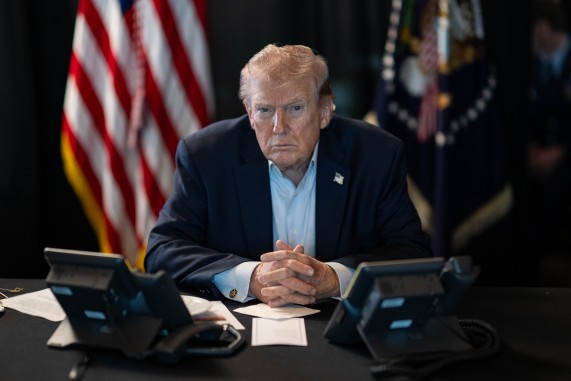
President Donald Trump has issued a stern warning to countries contemplating the introduction of digital services taxes on American companies, threatening to impose a 100% tariff on all goods exported to the United States from those nations. Trump pointed out that several European countries are considering new tax measures that would specifically target US technology firms. He emphasized that such actions would prompt immediate trade penalties and could potentially nullify existing trade agreements with the countries involved.
Digital services taxes are designed to ensure that large tech companies pay taxes in countries where they earn business revenue. Proponents of these taxes believe they prevent companies from shifting profits to minimize tax liabilities. However, critics argue that these taxes disproportionately target American technology companies. Trump’s latest warning reflects his ongoing opposition to foreign regulations and tax policies that affect major US tech firms. He has previously threatened similar trade actions against countries with such digital tax measures.
The threat of imposing tariffs is part of a broader strategy by Trump to protect US technology companies from what he perceives as unfair foreign tax regulations. By signaling potential trade penalties, Trump aims to deter countries from implementing measures that could adversely affect American firms. The administration’s stance underscores its commitment to safeguarding US economic interests in the face of international tax policy challenges.
India, however, appears to be largely shielded from the immediate impact of Trump’s tariff threat. The country has already made adjustments to reduce some aspects of its digital services tax and is reportedly in discussions to consider further changes. These talks are part of ongoing trade negotiations with the United States, suggesting that India is working towards aligning its tax policies with US interests to avoid potential trade conflicts.