

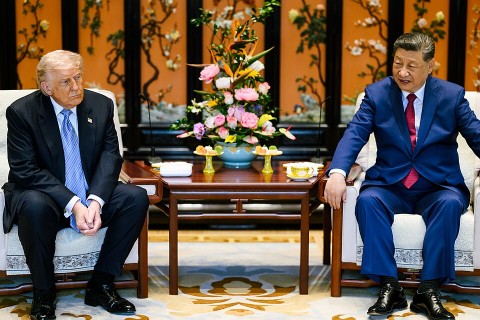
China has issued a caution to the United States, urging careful handling of matters related to Taiwan, following statements by former U.S. President Donald Trump about his intention to converse with Taiwan’s leader, Lai Ching-te. This potential dialogue is particularly sensitive for Beijing, as it regards Taiwan as part of its territory and opposes any official external interactions with its leadership.
In Beijing’s view, Taiwan is a breakaway province that should eventually reunite with the mainland, if necessary by force. The Chinese government strongly opposes foreign governments engaging with Taiwan as if it were an independent nation and frequently criticizes high-level diplomatic interactions with Taipei. Chinese officials have warned that such moves send misleading signals to supporters of Taiwan’s independence and meddle in China’s domestic affairs.
Tensions over Taiwan have been escalating in recent years. In 2022, China conducted large-scale military drills around Taiwan in response to a visit by a senior U.S. official. Beijing has also shown strong disapproval of American arms sales and political backing for Taiwan. Conversely, Taiwan identifies itself as a self-governing democracy officially named the Republic of China, rejecting Beijing’s claims of sovereignty and asserting its people’s right to elect their leaders and engage internationally.
The United States follows the “One China” policy, which involves recognizing Beijing diplomatically while maintaining unofficial relations with Taiwan. Under the Taiwan Relations Act, Washington provides Taiwan with defensive arms. In 2016, Trump had a conversation with former Taiwan President Tsai Ing-wen, marking a rare direct contact that drew criticism from China. A new call between Trump and Lai could increase already strained U.S.-China relations and may lead to more Chinese military actions near Taiwan.