

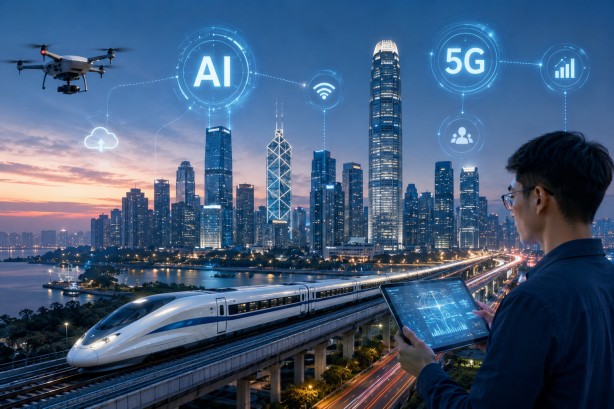
China is making significant strides in expanding its digital economy, emphasizing the integration of artificial intelligence, digital infrastructure, and smart technologies within various sectors and public services. By the year 2025, the nation’s digital economy had surged to 49 trillion yuan, equivalent to $7.22 trillion, which represented about 35% of its Gross Domestic Product (GDP). Moreover, core digital industries alone contributed over 10.5% to the GDP, underscoring the sector’s growing importance in the national economy.
In line with its strategic development goals, China’s 15th Five-Year Plan, spanning from 2026 to 2030, sets forth ambitions to further expand the application of AI technologies, bolster data security, enhance digital governance frameworks, and foster international collaboration. These initiatives signal China’s commitment to cementing its leadership role in the global digital landscape.
Leading the charge in this transformative journey are major cities like Beijing, which are pioneering the adoption of digital innovations across various public service domains. For instance, Beijing’s implementation of internet hospitals and AI-powered traffic management systems showcases how technology can enhance urban living. Additionally, the city has introduced shared medical imaging platforms and smart utility networks, exemplifying how technological advancements are being leveraged to drive economic growth and improve the quality of everyday services for its citizens.
The implications of these developments are vast, as they not only signify a shift towards a more tech-driven economy but also illustrate the potential for digital solutions to address complex urban challenges. By investing in these areas, China is not only boosting its economic prospects but also setting a benchmark for the integration of digital technologies in advancing public welfare and efficiency.